Practice what we preach – the Church and the environment

envionment

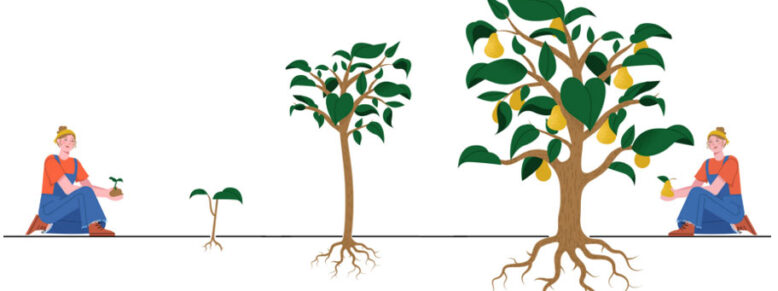
Why should Catholics work to nurture the natural environment? The answer to this It is part of our Christian calling. The teaching of the Church has been clear from the earliest times. In the book of Genesis, it is stated at the end of the creation story “And God saw everything that He had made, and behold, it was very good.” If God proclaims His gift of creation to be good, then we have a responsibility to care for it and use it appropriately.

Read more >>

Catholic social teaching for everyone – fed by our relationship with God

Solidarity

The topic of fraternity was covered in a post shortly after the death of Pope Francis. It is worth revisiting, especially following Pope Leo’s apostolic exhortation Dilexi te, though this was drafted before that document was issued. The starting point for this post is the question “how might Catholic social teaching affect our everyday lives?”. In particular, I want to consider how it might affect all our everyday lives, not just those involved, for example, in political lobbying.

Read more >>

Is compassion under threat?

Compassion

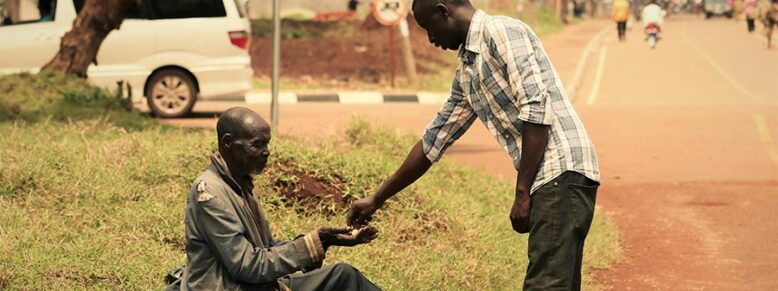
To know whether compassion is under threat, we need, firstly, to define it. In the Christian tradition, compassion means to “suffer together with”. It involves entering into the suffering of another. There are classic Christian examples of compassion. Mary shared her son’s agony at the foot of the cross. The Good Samaritan provided the financial means and put himself at considerable physical risk to help the person who had been robbed. St Maximillian Kolbe substituted himself for a condemned father in Auschwitz and, as a result, was condemned to starvation himself, though he actually suffered death from the injection of carbolic acid into his veins.

Read more >>

Assisted suicide – when one person’s right becomes another person’s duty

Catholic social teaching has always valued independent institutions for the provision of care, education, and welfare for workers. Culturally, such institutions provide a protection against a form of radical individualism which can elevate certain individual rights that are created by legislators above the common good of the community. They also protect against an over-bearing state. Far from undermining individual rights, civil society institutions provide the opportunity for people to work collaboratively for the common good: people choose to work for such institutions and they choose to be involved with them in other ways. The state, in turn, is there to protect the rights of civil society institutions and nurture their foundation.

Read more >>

Pope Francis and fraternity

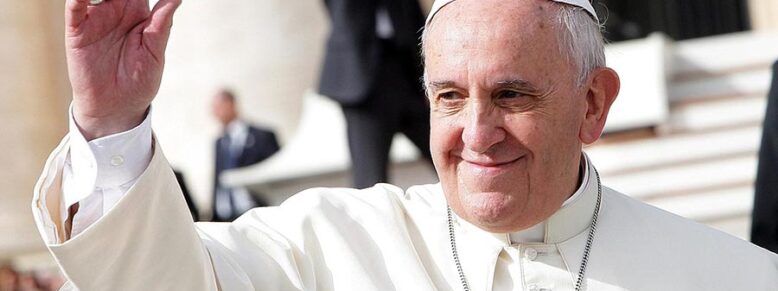
Pope Francis March 2016

In the coverage of the passing of Pope Francis to eternal life, surprisingly little has been said about an important aspect of Pope Francis’s social teaching – fraternity. This was the theme of his second social encyclical, Fratelli tutti. It is an important theme because it links the pastoral, spiritual, theological and social teaching of the late pope. The title of Fratelli tutti in English is “Brothers All”, and it is subtitled “On Fraternity and Social Friendship”.

Read more >>

St Mary’s academics present at key international conference focused on “Catholic universities: in solidarity with their partners and colleagues in conflict zones”

ccu_conference

Professor Carole Murphy, Dr Ashley Beck and Ms Maggie Doherty recently presented at an important international conference exploring how to build resilience in solidarity with partners and colleagues in conflict zones.  The conference was led and organised by the University of Notre Dame, alongside a Consortium of ten Catholic Universities. It took place at the Notre Dame Rome campus from 31 July to 2 July.

Read more >>
Your subscription could not be saved. Please try again.
Your subscription has been successful.

Never miss a post

Subscribe to email list to recieve an automatic email whenever a new post is published.

We use Brevo as our marketing platform. By submitting this form you agree that the personal data you provided will be transferred to Brevo for processing in accordance with Brevo's Privacy Policy.

© Catholic Social Thought 2020