When Magnifica Humanitas sets the Tower of Babel against Nehemiah’s rebuilt Jerusalem, it reads the two cities as a contrast of spirit. They are also a contrast of economies.
Read more >>The Brick and the Brother
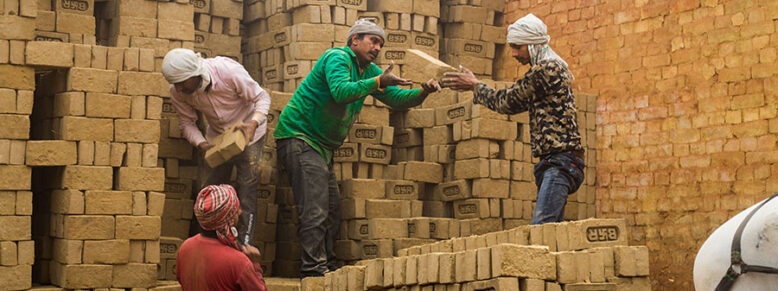


When Magnifica Humanitas sets the Tower of Babel against Nehemiah’s rebuilt Jerusalem, it reads the two cities as a contrast of spirit. They are also a contrast of economies.
Read more >>
With his social encyclical Magnifica humanitas, Pope Leo XIV has made good the promise contained in the choice of his name. It is a pastoral document that reaches out to non-Christians. It invites all to enter dialogue and engage in discernment. At the same time, it is a document firmly rooted in the Christian revelation of a triune God from whom all wisdom flows. Leo XIV evokes the tower of Babel as a negative example of human pride and to the wise architect Nehemiah who patiently rebuilds Jerusalem as a positive image. He calls for multilateralism and diplomacy rather than for a global political authority as some of his predecessors had done.
Read more >>
Render unto Caesar was published by the Catholic Bishops’ Conference of England and Wales in 2025. In this third of three blog posts from the contributors to an event on the publication, Philip Booth writes about taxation, government debt and the family.
Read more >>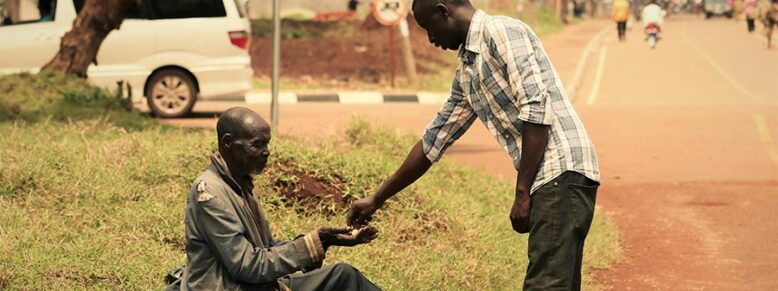
The Catholic Bishops’ Conference of England and Wales recently published a document on taxation called Render unto Caesar. There is relatively little Catholic teaching that is specifically on taxation. Catholics apply principles such as the universal destination of goods, the right to property and the primacy of the family to try to develop practical approaches to taxation in the wide variety of specific circumstances in which they find themselves. Unsurprisingly, they disagree.
Read more >>
Render unto Caesar was published by the Catholic Bishops’ Conference of England and Wales in 2025. In this second of three blog posts from the contributors to an event on the publication, Professor Anna Rowlands writes about taxation and the common good.
Read more >>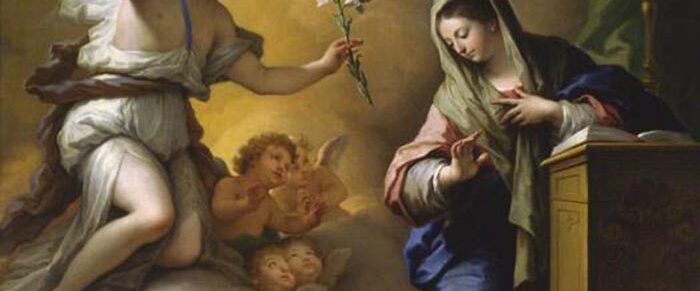
Render unto Caesar was published by the Catholic Bishops’ Conference of England and Wales in 2025. It was followed by an event, and the next three blog posts will be articles based on the speakers’ remarks at that event. The articles are being published now because the Feast of the Annunciation was the ancient beginning of the tax year. Indeed, it was the beginning of the legal year until 1752. The change in the calendar led the tax year to move to its current starting point of 6th April. Our Christian roots, perhaps, go deeper than we realise.
Read more >>
On the website www.catholicsocialteaching.org.uk, there is a set of videos that introduce Catholic social thought and teaching. We continue featuring those videos on the blog with the video on “Globalisation and the common good”. This explores the Church’s nuanced view of globalisation. It is also available with Portuguese subtitles.
Read more >>
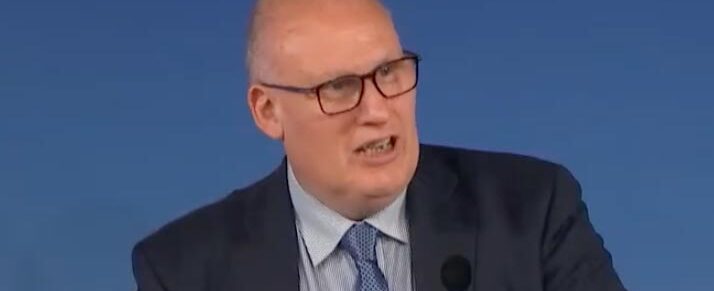
Richard was the founding director of the Centre for Enterprise, Markets and Ethics. He was a visiting professor in the Business School at St. Mary’s University. He made a number of contributions to the life of St. Mary’s, including organising high profile events involving academics, business leaders and policy thinkers. He also guest lectured on the MA in Catholic Social Teaching.
Read more >>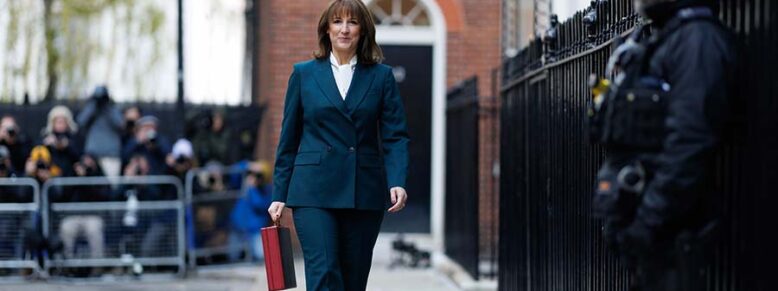
Providing Christian commentary on the recent budget is not especially easy. There was a measure to remove the two-child cap on Universal Credit payments that was welcomed by many Christians. But the rest of the budget was really a collection of bits and pieces as well as deferred tax rises on which it is difficult to provide a Christian analysis.
Read more >>